What is a CMS?

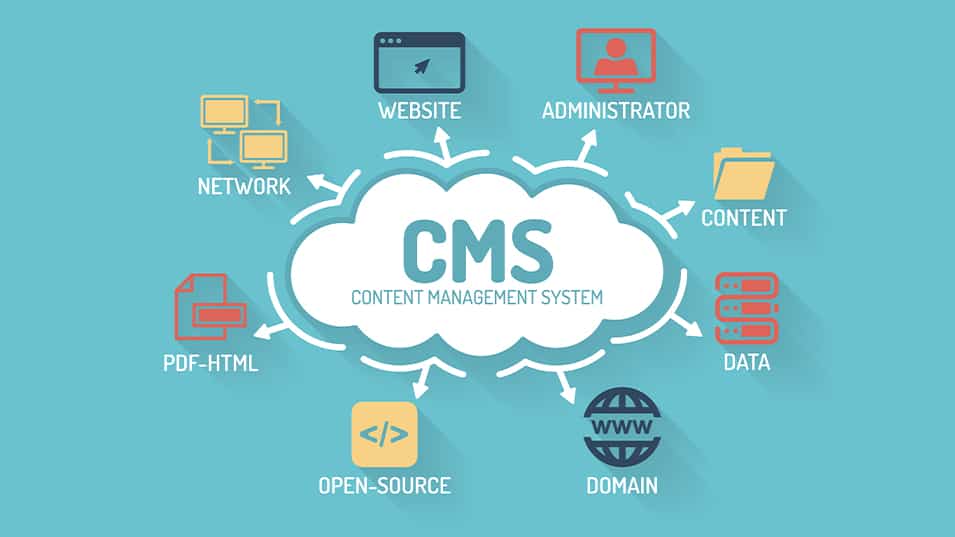
Source: SOMS Digital – CMS illustration (n.d.). https://www.somsdigital.co.za/blog/web-development/what-is-a-cms/

A Content Management System (CMS) allows users to create and manage digital content without advanced programming knowledge. WordPress is the world’s most popular CMS and powers millions of websites. It provides themes, plugins, and an intuitive dashboard that make publishing content easy for beginners and professionals alike.
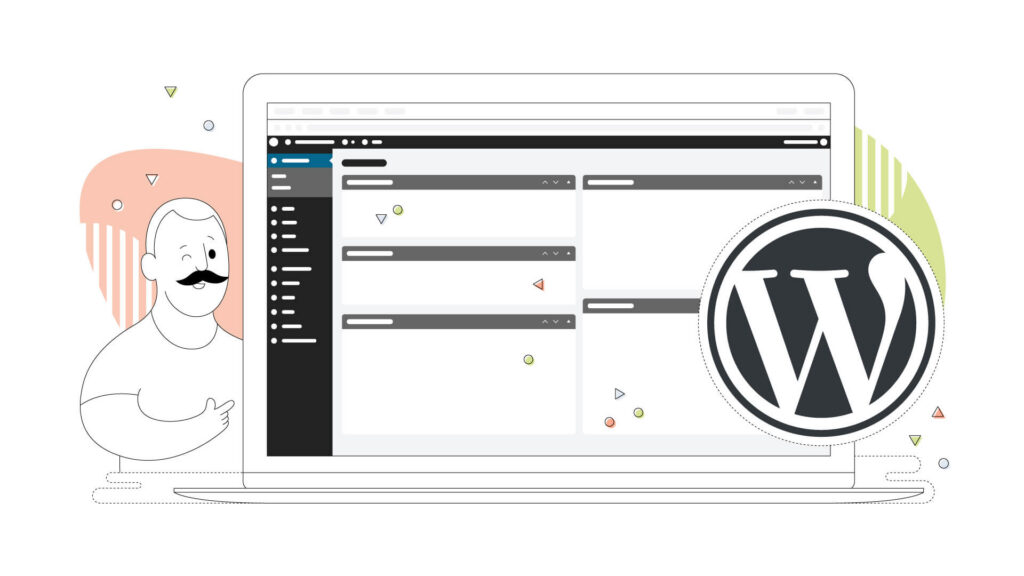
Source: HostPapa – WordPress overview illustration (n.d.). https://www.hostpapa.com/blog/web-design-development/wordpress-for-beginners/

Through this project, I learned how WordPress combines usability with flexibility. Once installed through Docker, I could customize themes, create posts, and manage media entirely through a web browser. This demonstrates how CMS platforms empower users to build professional websites with minimal technical barriers.

References

Amazon Web Services. (n.d.). Amazon EC2. https://aws.amazon.com/ec2/

DigitalOcean. (n.d.). Droplets. https://www.digitalocean.com/products/droplets

Docker. (n.d.). What is a container? https://www.docker.com/resources/what-container/

WordPress. (n.d.). About WordPress. https://wordpress.org/about/
What is a Container (Docker)?

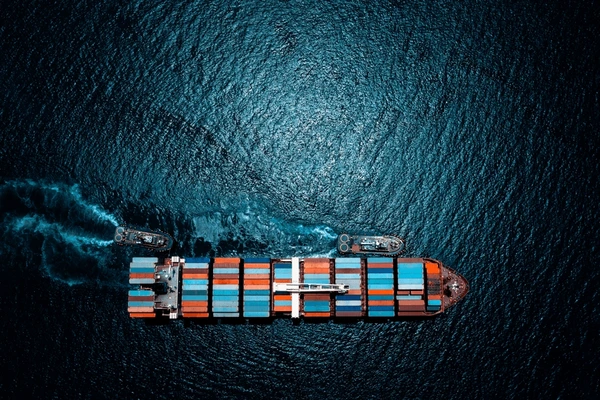
Image source: Shutterstock (n.d.). Shipping logistic cargo container ship. https://www.shutterstock.com/image-photo/shipping-logistic-cargo-container-ship-black-2541430645

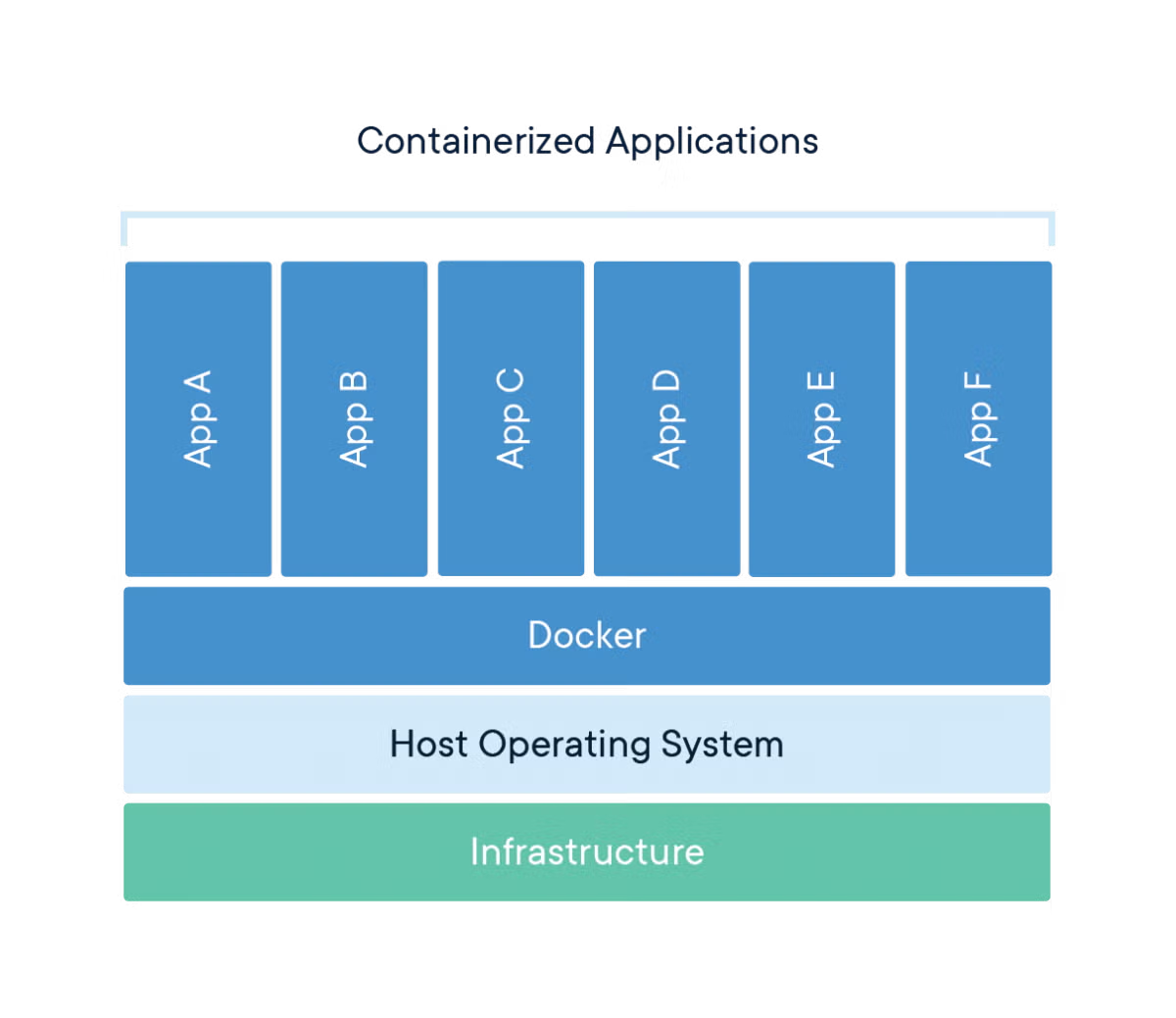
A container is a lightweight package that includes everything an application needs to run: code, libraries, and system tools. Docker is the most popular container platform and allows applications to run consistently across different environments. Containers are faster and more efficient than traditional virtual machines because they share the host system’s kernel while remaining isolated.

Source: Docker – Container illustration (n.d.). https://www.docker.com/resources/what-container/

Using Docker for this project showed me how powerful containers are for development. With Docker Compose, I launched WordPress and MySQL together in seconds. This approach simplifies deployment, improves consistency, and supports modern DevOps workflows.

References

Amazon Web Services. (n.d.). Amazon EC2. https://aws.amazon.com/ec2/

DigitalOcean. (n.d.). Droplets. https://www.digitalocean.com/products/droplets

Docker. (n.d.). What is a container? https://www.docker.com/resources/what-container/

WordPress. (n.d.). About WordPress. https://wordpress.org/about/